New Sod in Pinellas County: What the First Weeks Ask of You
New sod looks finished the day it goes down, but the real work of rooting into the ground happens in the weeks right after.
September 24, 2026 · 4 min read
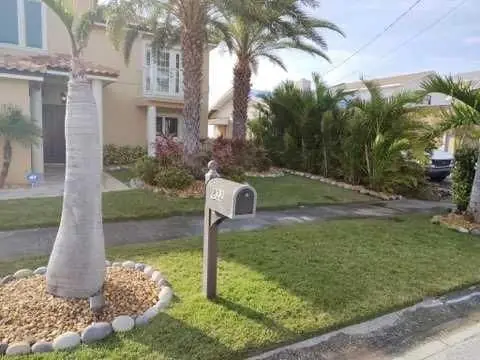
A fresh roll of sod makes a yard look finished in an afternoon. The truth is that the work is just getting started. New sod isn't rooted into the ground yet: it's essentially a thick, living mat sitting on top of the soil, and how it's treated in the first few weeks decides whether it turns into a real lawn or a patchy one. Compared to seeding a lawn from scratch, sod gives you an established-looking yard right away, but that head start only holds up if the weeks right after installation are handled correctly. If you've had sod installed anywhere in Clearwater or the surrounding Pinellas County area, or you're thinking about it, here's what those first weeks generally ask of you.
Why the first two or three weeks matter most
New sod has to grow roots down into the native soil underneath it before it can survive on its own. Until that happens, the grass is living almost entirely on whatever moisture sits right at the surface. In Pinellas County's heat, that top layer can dry out within a single afternoon of full sun. That's why the early weeks after installation are generally treated as a different phase of lawn care than ongoing maintenance: the priority shifts from mowing and feeding to simply keeping the root zone from drying out while it establishes.
Watering new sod without drowning it
General lawn care guidance for new sod in Florida usually calls for frequent, shorter watering sessions rather than one long soak, especially in the first week or two. The goal is to keep the top inch of soil consistently damp, not swampy. Standing water or soggy ground can actually starve new roots of oxygen and invite fungus, which is its own kind of setback. As the weeks go on and roots start reaching down, watering typically tapers off in both frequency and duration. Every yard drains differently depending on soil and sun exposure, so treat any watering schedule as a starting point to adjust, not a fixed rule.
When it's safe to mow for the first time
One of the most common new-sod mistakes is mowing too early. Grass generally needs a couple of weeks of steady watering and rooting before it can handle the tug and stress of a mower pass. A simple check many homeowners use is a gentle tug test: if a corner or edge lifts easily off the ground, it isn't ready yet. Once it resists being pulled up, it has likely put down enough roots to tolerate its first cut, usually kept a bit higher than a typical mow on an established lawn. A sharp, well maintained mower blade also matters more on new sod than on an older lawn, since a dull blade tends to tear at grass that hasn't rooted deeply enough to resist the pull, rather than cutting it cleanly.
Keeping foot traffic off new sod
New sod also needs a break from regular foot traffic while it's rooting. Kids, pets, delivery carts, or just repeated walking across the same stretch can compress soil that hasn't bonded together yet and leave ruts or bare patches that are hard to fix later. General guidance is to keep everyday traffic off a newly sodded area for the first couple of weeks wherever that's realistic, and to route any foot traffic around the edges rather than straight across the middle until the grass has had a chance to knit together.
What Sam I AM's installers teach you
This is the gap a good installer fills. Sam I AM Lawn & Landscape says its skilled installers do more than lay sod: they take the time to teach clients how to maintain this valuable investment. The company installs and removes sod across Pinellas County, for both residential and commercial properties, and that guidance is worth asking about when you call for a free estimate.
Signs your new lawn is settling in
- A uniform green color returning across the whole area, not just in patches
- New growth or a slight height gain between mowings
- Resistance when you gently tug at an edge or a corner
- Even color and texture where seams between rolls used to be visible
New sod is a real investment, and the first few weeks are where that investment either pays off or gets undone by a missed watering day or an early mow. If your Clearwater yard needs sod removed and replaced, or you're not sure whether your lawn is past the point where mowing and weed control alone can fix it, Sam I AM Lawn & Landscape offers free estimates. It helps to ask exactly what your particular property will need once the new grass goes down, since soil type, sun exposure and existing irrigation all affect how those first weeks play out. A call to (727) 219-1998 is a low-pressure way to find out.
Sam I AM Lawn & Landscape Inc., (727) 219-1998
Call (727) 219-1998More articles
Taking Back an Overgrown Yard: What a Real Clean-Up Involves
A yard that's gone a year or two without care usually needs a genuine clean-up, not just a single mow.
Mulch in Florida Beds: Front Yard, Backyard or Garden
Mulch does more than finish off a bed, and it does slightly different work in the front yard, the backyard and the garden.